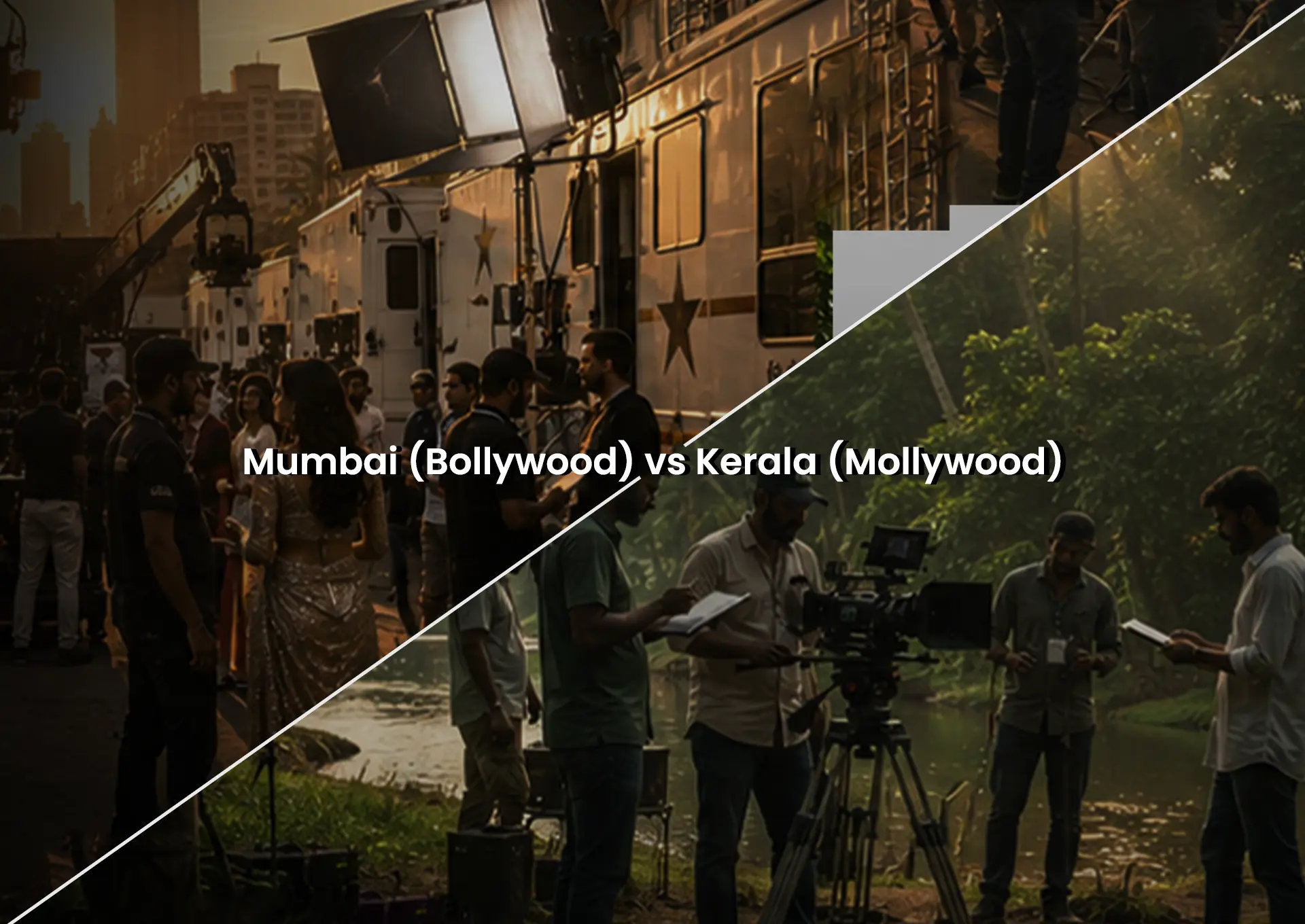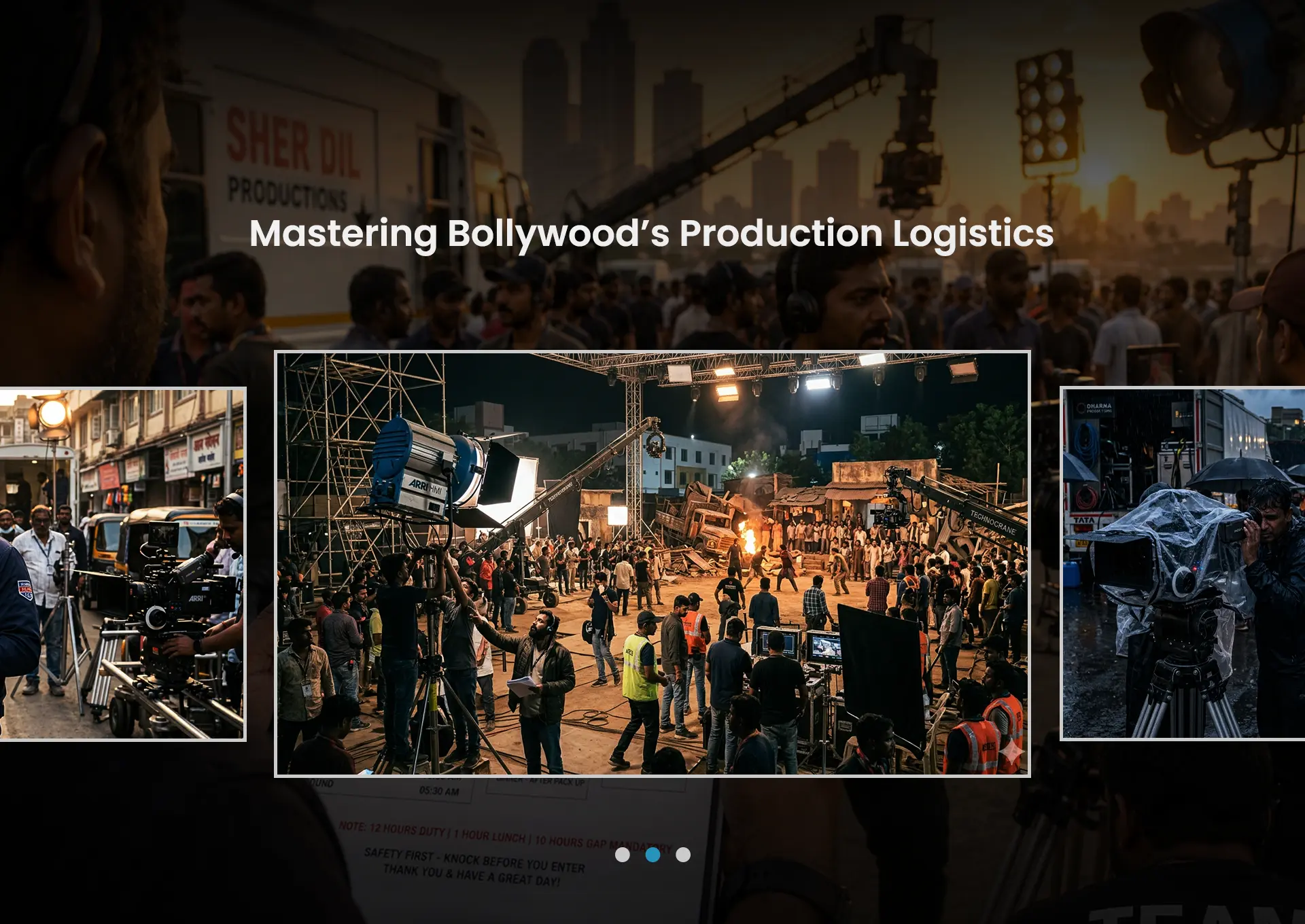
In many Western markets, an 8-hour or 10-hour workday is the standard before overtime kicks in. In the heart of Mumbai’s film industry, the 12-hour shift is the fundamental unit of measurement. It is the rhythmic pulse of the set.
The Standard Bollywood Shift Structure
A typical shift in Bollywood is calculated from the "Call Time" to "Pack-up." Unlike the staggered starts often seen in independent cinema, Bollywood sets often operate on a collective call, where the technical crew arrives simultaneously to begin the "rigging" process.
- The 12-Hour Block: While smaller commercials (TVCs) might stick to 8-hour shifts, feature films and high-end streaming series are almost exclusively 12-hour blocks.
- The "Half-Shift" Myth: A common pitfall for international co-productions is the assumption that they can book a specialized technician for a half-day. In the Indian union ecosystem, a technician booked is a technician paid for the full shift. Whether they wrap in two hours or twelve, the daily rate remains fixed.
- The 10-Hour Turnaround: Perhaps the most critical component of film crew scheduling in India is the mandatory rest period. The FWICE (Federation of Western India Cine Employees) mandates a 10-hour gap between the pack-up of one shift and the call-time of the next. Violating this triggers "Double-Shift" charges, which can effectively double your labor cost for the day in an instant.